
Fire Rated Windows, Glazed Doors And Screens
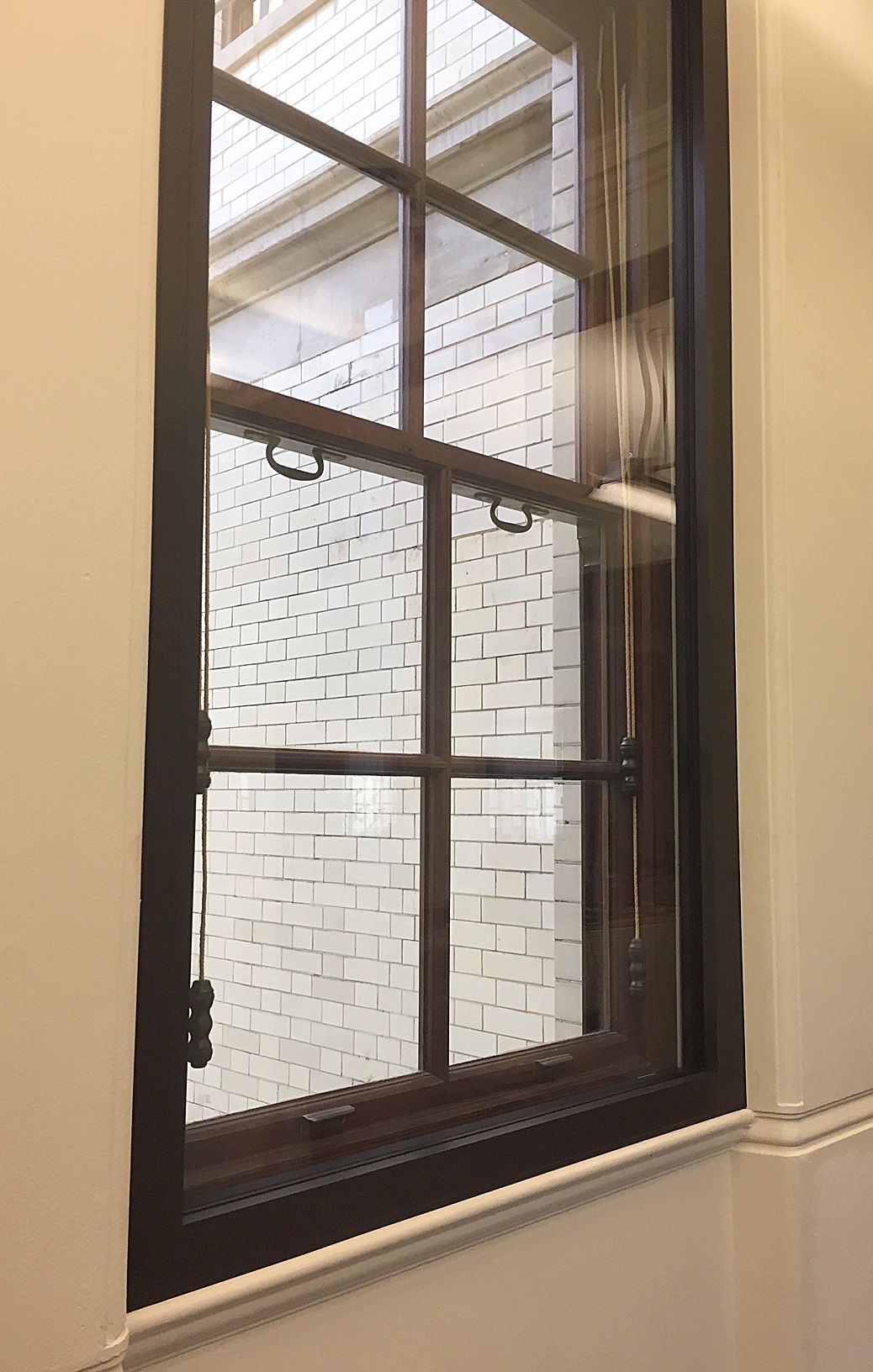
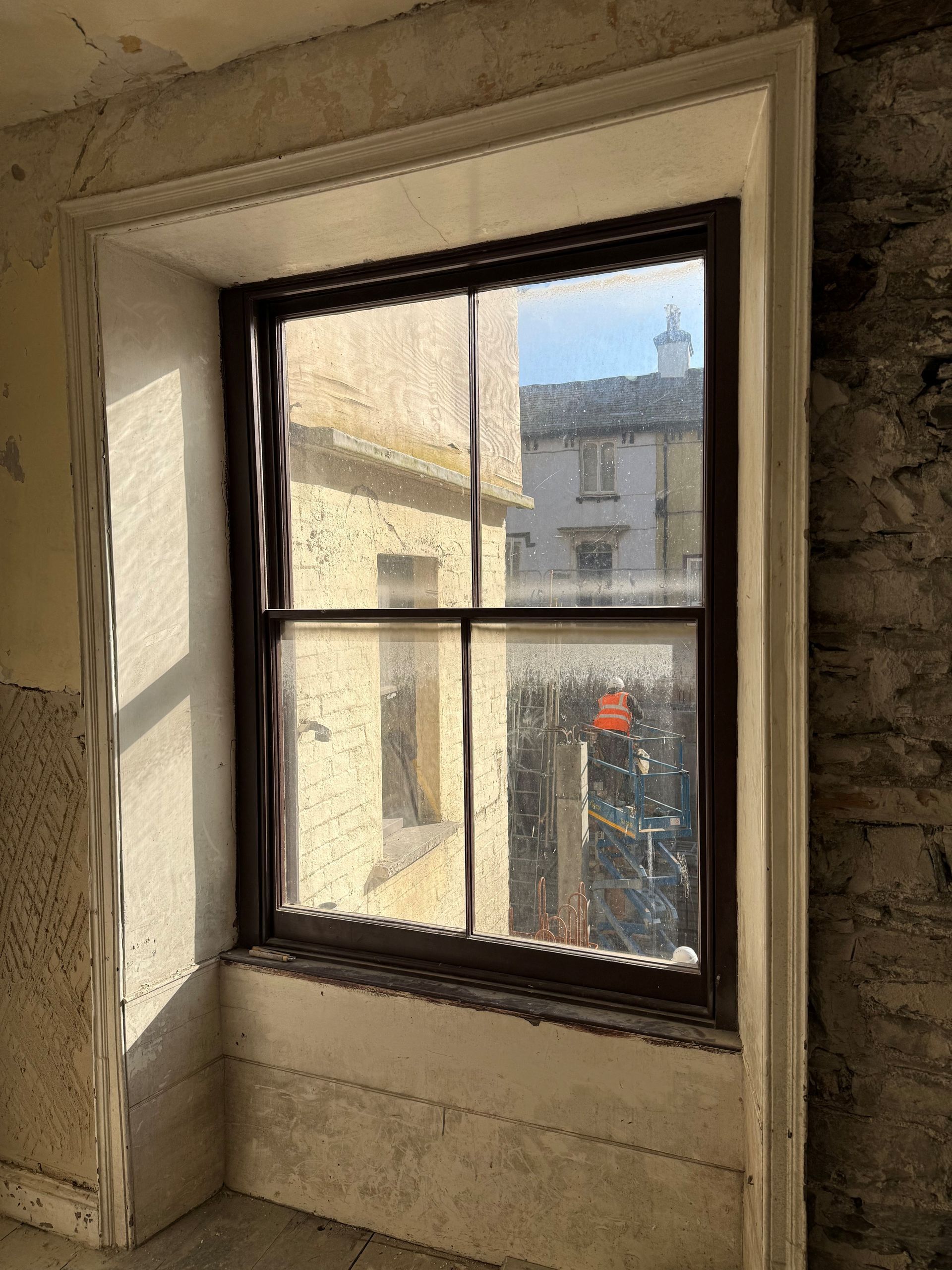
Standards And Applications for Fire Rated Heritage Secondary Window Systems, Glazed Doors And Screens
A fire-rated secondary glazed window consists of:
o A separate, internally installed window system
o Positioned on the room side of an existing primary window
o Designed and tested as a complete fire-resisting assembly
o Typically providing 30, 60, 90 or 120 minutes fire resistance
The original window is not relied upon for fire performance
Fire-Resistance
Fire-rated secondary glazing works by forming an independent fire-resisting barrier that:
1. Prevents flame and hot gas passage (Integrity – “E”)
2. Limits heat transfer where required (Insulation – “I”)
3. Maintains compartmentation despite failure of the original window
The fire resistance is achieved through the secondary system alone, even if the primary window breaks early in a fire.
Components within the Secondary Heritage Window System
Fire-Resisting Glass
Typically one of the following:
o Laminated intumescent fire-resisting glass
o Multi-layer gel-filled fire glass
o Special fire-rated laminated glass for integrity-only performance
In a fire:
o The interlayers react to heat, becoming opaque and/or insulating
o They block flame passage and radiant heat
o Glass remains in place for the rated period
Fire-Resistant Frame System
o Usually steel or aluminium, occasionally fire-rated timber
o Designed to retain glass under fire exposure
o Incorporates:
- Fire-resistant gaskets
- Intumescent seals
- Mechanical retention systems
The frame is critical: fire resistance is only valid if the glass and frame perform together.
Air Gap Between Primary and Secondary Glazing
The cavity between the original and secondary window:
o Acts as a buffer zone
o Reduces heat transfer
o Allows the primary glazing to fail without compromising fire integrity
o Helps prevent early stress failure of the fire glass
How the System Performs in a Fire Scenario
1. Fire occurs on the protected side
2. Primary (original) window cracks, fails early or is not relied upon
3. Secondary fire-rated glazing is exposed directly to fire conditions where the glass then reacts (intumesces or insulates)
4. Frame and seals expand (intumescent action) which seal gaps and retain glass
5. Compartment integrity maintained as flames and hot gases prevented from passing and fire spread restricted for the rated period
Fire Performance Classifications (UK)
Secondary glazed fire windows are tested and classified under:
BS EN 1634-1 – Fire resistance testing
BS EN 13501-2 – Classification
Common classifications include:
E30 / E60 / E90 / E120 – Integrity only
EI30 / EI60 /EI90 / EI120– Integrity and Insulation
The classification applies only to the tested configuration.
Installation Requirements (Critical to Performance)
For fire-rated secondary glazing to work correctly:
o Installation must follow the exact tested detail
o Fixings must be:
- Correct type
- Correct spacing
- Fixed into suitable fire-resisting substrates
o Perimeter sealing must use approved fire-stopping materials
o Any opening lights must be:
- Tested as part of the system
- Self-closing where required by fire strategy
Incorrect installation invalidates fire performance, regardless of glass rating.
Typical Applications
Fire-rated secondary glazing is commonly used for:
o Listed and heritage buildings
o Schools and universities
o Hospitals
o Hotels
o Residential blocks
o Office refurbishments
Especially where:
o External appearance must be retained
o Structural alterations are impractical
o Fire compartmentation must be upgraded
Limitations and Design Considerations
o Secondary glazing does not upgrade the primary window
o Fire Rated Glazing must be assessed as part of the overall fire strategy
o Acoustic, thermal, and ventilation requirements must be coordinated
o Cleaning and maintenance access must be considered
o Smoke control may require additional testing (Sa classification)
Main Compliance Points
To be compliant in the UK:
o The system must be:
- Tested
- Classified
- Third-party certified
o Fire performance must be supported by:
- Test reports
- Classification reports
- Field of application evidence
o Installation should be carried out by competent, certified installers
Summary
Fire-rated secondary glazed windows work by introducing a stand-alone, fire-resisting barrier inside an existing window opening. The system uses fire-resistant glass, tested framing, intumescent seals, and controlled installation to maintain fire compartmentation, even if the original window fails early in a fire.
Regulatory Framework (Legally Mandatory)
Building Regulations – Approved Document B (Fire Safety)
o Approved Document B (ADB) is the primary statutory guidance under the UK Building Regulations system that sets out where fire resistance and fire-rated elements (including windows in fire compartment walls or escape routes) are required. ADB defines fire safety performance requirements for means of escape, compartmentation, integrity, insulation and location of fire-resisting elements.
Fire Resistance Test & Classification Standards
These standards define the test methods and criteria for assessing fire-resistance performance of fire-rated window assemblies or glazing:
BS EN 13501-2: Fire classification of construction products
o Classifies construction products (including fire-rated windows) after fire-resistance tests into categories (e.g., E30, EI30, EI60, EI90, EI120).
o E = integrity (limits flame passage), I = insulation (limits heat transmission), W = radiation control (rarely required).
BS EN 1634-1: Fire resistance and smoke control tests
o The principal European/UK test standard for fire-resistance of openable windows, doors and shutters.
o Measures how long an assembly maintains integrity, insulation and (if assessed) smoke control under standard fire exposure.
o Typical fire periods: 30, 60, 90, 120 minutes (expressed as EI30, EI60 etc.).
BS EN 1364 Series
o BS EN 1364-1: Fire resistance tests for non-loadbearing elements such as fixed fire-rated glazed screens or fixed window assemblies.
o Other parts (e.g., curtain walling tests) may apply in façade systems containing glass.
BS 476 Part 22
o Historic British Standard on fire tests for non-loadbearing elements, used for windows/glazing in legacy or specific applications.
Still referenced for older products or performance assessments.
BS EN 1363-1 & BS EN 1363-2
o General requirements and additional procedures for fire-resistance testing across many fire test standards. These provide the basis for how the test furnace and measurements are controlled.
Product & Performance Standards
These standards cover product design, performance characteristics and installation matters, which are often referenced in specifications:
EN 16034 (Fire-resisting &/or smoke control products)
o Harmonised product standard covering pedestrian doorsets, openable windows and smoke control products with fire resistance characteristics.
o Required for UKCA marking and conformity assessment under the UK’s Construction Products Regulation framework.
BS EN 14351-1
o Product standard for windows and external pedestrian doorsets without fire/smoke resistance characteristics.
o Relevant to specification and performance (e.g., air/water/wind performance), but if fire-resistance characteristics are added, EN 16034 and fire test results replace its fire aspects.
BS EN 6375 / BS 644
o Standards covering performance and specification for window operation, strength, weather tightness and timber window definitions.
o Fire design requires additional fire test and classification standards.
Codes of Practice and Fire Strategy Guidance
These documents are not legal requirements per se, but are widely used in design, specification and risk assessments to satisfy regulatory requirements and fire safety strategy:
BS 9999: Fire safety in the design, management and use of buildings
Code of practice offering a fire safety strategy framework, including guidance on compartmentation and passive fire protection (which covers fire-rated windows when used in fire compartment walls).
BS 9991: Fire safety in the design, management and use of residential buildings
Provides detailed guidance for residential fire safety design, including compartmentation and means of escape where fire-resisting glazing may be required.
Industry Guidance – GGF Fire Resistant Glazing Guides
Guides from the Glass & Glazing Federation (GGF) offer interpretation of test standards, classification definitions and how fire-resistance criteria apply to glazing in UK buildings.
Building Fire Safety Context (Supportive Regulations)
Fire Safety (England) Regulations 2022
Retrospective regulations requiring documentation and records of fire door and fire safety measures in residential buildings (blocks of flats). While focused on management, they underscore the need for certified passive fire products, including fire-rated windows where applicable.
National Annexes and Local Amendments
Welsh Approved Document B and Scottish/Midlands equivalents apply in those jurisdictions with potentially different detail. The core standards (BS EN 1634, EN 13501-2) are generally consistent UK-wide.
Installation and Certification Schemes
Third-party Certification & Marking
Fire-rated window assemblies should have UKCA/CE marking, test evidence and application limitations certified by accredited bodies based on fire test results.
Third-party Competent Contractor Schemes
o FIRAS, BM TRADA and similar installer qualification schemes exist so that installation and inspection conform with manufacturers’ test evidence and regulatory expectations.
How These Are Applied in Practice
o Fire-resistance performance requirements for windows depend on building use, fire strategy, escape routes, compartment walls and height. Approved Document B sets minimum criteria (e.g., integrity for 30–120 minutes).
o Fire-rated windows must be tested and certified as assemblies (frame, glazing, seals, fixings) under EN 1634-1 or equivalent.
o Classification to BS EN 13501-2 allows designations such as E30, EI30, EI60, which are referenced in specifications and compliance documents.
o BS 476 standards remain relevant for older installations and some material assessments, though EN 1634-1 has become dominant for modern products.
| Category | Primary Standards / Documents |
|---|---|
| Regulartory Guidance | Approved Document B (Fire Safety) |
| Fire Testing and Classification | BS EN 1634-1, BS EN 1364-1, BS EN 13501-2, BS 476-22 |
| Product and Performance | EN 16034, BS EN 14351-1, BS 644, BS EN 6375 |
| Codes of Practice | BS 9999, BS 9991, GGF Fire Resistant Glazing Guides |
| Certification / Installation | UKCA/CE evidence based on tests, Third-party schemes (FIRAS, BM TRADA) |
Guidance for Listed Buildings
Listed Building Approval – UK Guidance
Fire-rated secondary glazing is widely accepted in listed buildings because it is reversible and minimally invasive, but approval must be handled carefully.
Conservation officers generally prefer secondary glazing because it:
o Preserves external appearance (no façade alteration)
o Avoids removal of historic fabric
o Is reversible with minimal permanent damage
o Allows compliance with Building Regulations Part B
o Can improve fire, acoustic and thermal performance simultaneously
This aligns with the principles set out in:
o National Planning Policy Framework (NPPF)
o Historic England conservation guidance
When Listed Building Consent (LBC) Is Required
LBC is usually required where the installation:
o Affects historic fabric (e.g. fixing into stone, timber linings)
o Introduces visible internal framing in significant interiors
o Alters shutters, reveals, architraves or mouldings
In some minor cases (lightweight, fully reversible systems), LBC may not be required, but this must be confirmed by the local authority.
Key Listed Building Design Principles
When specifying fire-rated secondary glazing for a listed building, the following principles should be demonstrated clearly in the submission.
Reversibility
o Fixings should be:
- Into mortar joints where possible
- Limited in number
o No irreversible damage to:
- Stone mullions
- Historic timber frames
- Decorative plasterwork
Visual Impact
o Slimline frames preferred
o Neutral colours (e.g. bronze, black, off-white)
o Frames set back from the primary window to reduce visibility
o No alteration to external sightlines
Retention of Original Window
o Original window must:
- Remain intact
- Remain operable where possible
o Secondary glazing should not require removal of historic glass
Ventilation and Condensation
o Design must:
- Allow controlled ventilation
- Avoid trapping moisture against historic glass or timber
o Trickle vents or concealed ventilation strategies may be required
Fire Strategy Justification (Critical for Approval)
Planning and conservation officers expect a clear fire rationale, typically including:
o Why a replacement fire-rated window is unacceptable
o Why secondary glazing is the least harmful option
o Confirmation that:
- The system is tested to BS EN 1634-1
- Classified to BS EN 13501-2
o Statement that the system:
- Maintains required compartmentation
- Does not rely on historic fabric for fire resistance
A short Fire Engineer or Building Control statement significantly strengthens the application.
Documentation Typically Required for LBC
A robust submission usually includes:
o Heritage Impact Assessment (HIA)
o Window schedule identifying affected openings
o Drawings:
- Existing
- Proposed (with secondary glazing shown)
o Fire performance evidence:
- Test reports
- Classification reports
o Method statement:
- Fixing approach
- Reversibility
- Installation sequencing
Practical Approval Strategy (Best Practice)
1. Engage early with conservation officer and Building Control / Fire Consultant
2. Present secondary glazing as a fire safety upgrade and heritage-led solution
3. Demonstrate minimal harm, reversibility and regulatory necessity
4. Use a proven, third-party certified system