
Blast Windows And Screens
DOWNLOAD TECHNICAL DATA SHEET
Blast Windows
As mentioned on other pages within our website it would be so much easier to design and build for protection against blast effect if we did not need buildings with windows. The reality however is that we do. We need to use materials which can be made into windows, whether fixed or opening, and that can not only accept locking ironmongery but which can also be thinner and lighter than the walls into which they usually fit.
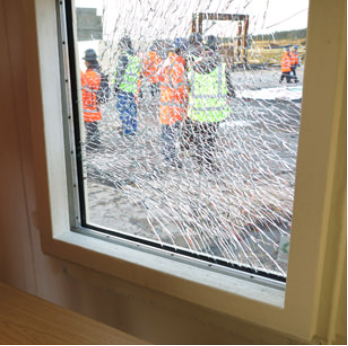
A blast window, just like a door or wall under load will experience a ‘pushing’ force known as the ‘Positive Phase’ and that will be followed by, for want of a better description, a ‘pulling’ or ‘suction’ action which is known as the ‘Negative Phase’. Although the negative blast phase is less onerous that the positive blast phase, it is still something that we need to engineer for in our blast window designs. Some buildings in recent years have been subjected to both positive and negative blast phases and in one incident the negative phase ‘pulled’ the glass out of the window frames and left glass debris one metre deep outside the foot of the building. See our videos on this page which clearly show the positive and negative blast effects on windows in test cubicles.
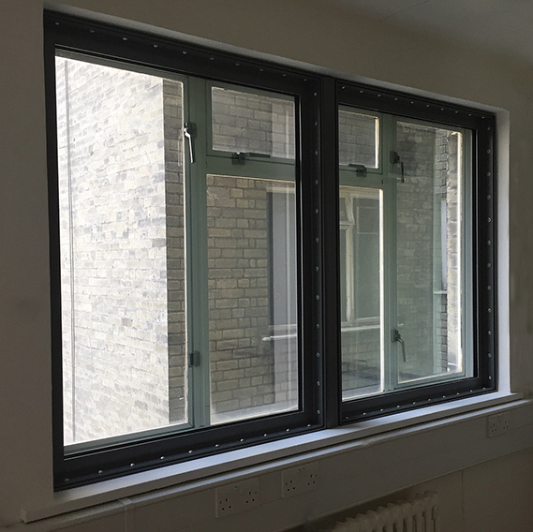
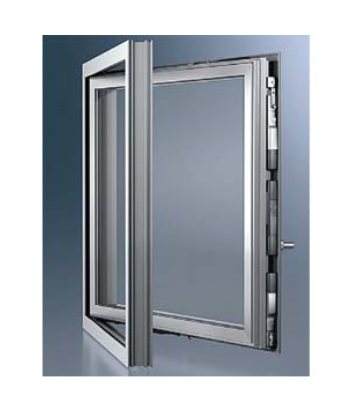
Aluminium window systems – often the material of choice particularly for commercial plant and similar industrial environments. With colour coordinated finishes they are also popular in residential areas where blast protection is also a consideration.
Blast pressures are measured in several units and all can be cross referenced. Common units for blast pressure are kPa (Kilopascals) PSI (Pounds per Square Inch) and so forth but when stated in this format they generally refer only to the ‘peak’ or ‘side on’ pressure. Sometimes we might see the blast load described as kPa-msec for instance. This is telling us the pressure and for how long it will ‘push’ against the window. This is referred to as an ‘Impulse’ load.
About Blast Windows
A gas explosion will generally have a lower pressure than a high explosive detonation. However the ‘Duration’ of the blast is much longer and that can actually cause more damage.
An aluminium window may be able to sustain a particular high explosive blast wave. The pressure hits the window, it bends into the building and absorbs the pressure and then it is quickly ‘sucked’ back out with the negative pressure wave before it reaches its ‘plastic’ state and beyond which would cause ultimate failure. The gas explosion however may exert less pressure but because it is pushing against it for a much longer period it could push it passed its plastic limit and the window cannot recover.
How much of this do we need to understand ?
A customer needs to aware of the potential that blast effects can have upon their staff, their property and also their business going forwards. When ordering windows we will need to know some basic information. We will ask for information such as the size of the windows, the finish of the windows, how the customer will need the windows to operate (fixed lights, opening lights ) and sometimes what is the most difficult piece of information and that is the blast pressure itself.
The blast pressure is determined usually by a blast consultant whose judgement may initially be based upon local intelligence or a pre-determined threat level. Alternatively it may be possible to supply a charge size (the volume of explosive) and also the distance at which it may be set from the building. In summary therefore, charge and distance or peak pressure and impulse will both provide the information that we need to manufacture an appropriate window system.
In addition however, there is still the potential for ‘fragmentation’. This is sometimes deliberate (pieces of metal or similar wrapped around the charge) or sometimes simply a consequence of whatever is containing the charge becoming airborne and hitting the target. Sometimes small elements of metal and sometimes components of vehicles. Either way we need to accommodate that as a separate threat.
By combining ballistic protection into the window system we can do just that. This level of protection can extend to protect against ‘hardened’ fragmentation as well. This is much more onerous to protect against but easily achievable using combined Blast and Ballistic windows.
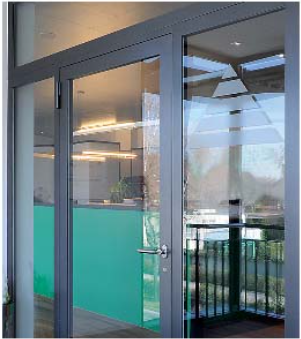
Over panels and side lights are also available with all windows. For more information regarding glass and blast protection please see our Blast Doors and Ballistic Windows Screens and Entrances pages.
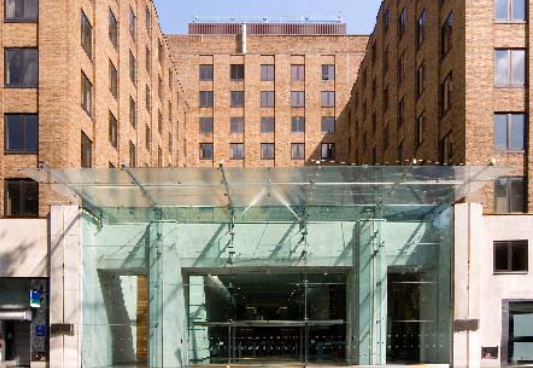
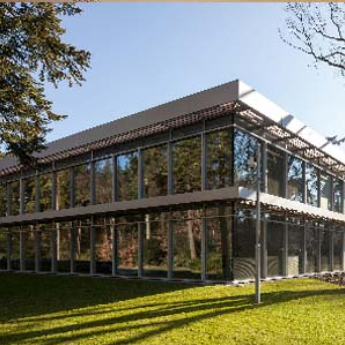
Stadiums, Airports, Hospitals, Schools and other public buildings are designed with large glass facades. Architecturally attractive and providing ballistic protection if correctly designed and manufactured.
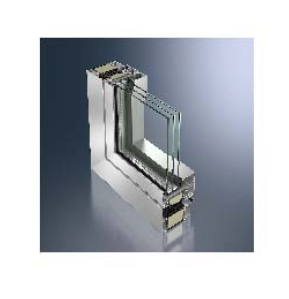
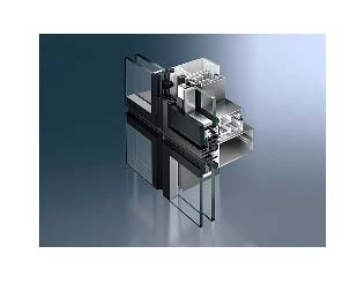
Our blast window service includes
Handling the following applications
- Glass Facades
- Windows
- Doors
- Screens
Using the best quality materials
- Using the best quality materials
- Made in Steel & Aluminum
- Blast Rated
- Security Rated
- Bullet Rated
Frequently Asked Questions
What is a blast window?
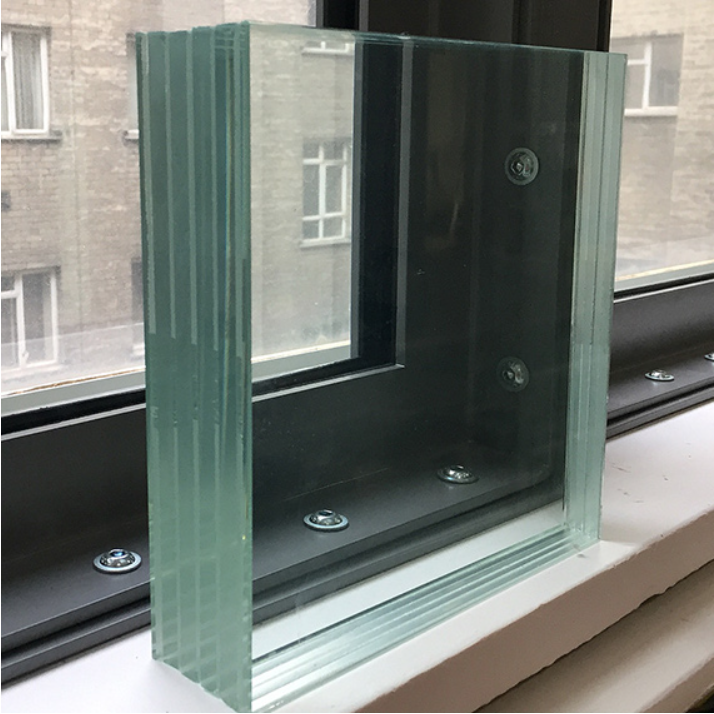
A blast window is a purpose-designed, explosion-resistant window system that helps a building withstand the positive and negative pressure phases of an explosion. Blast & Ballistics blast windows are engineered so the frame and glazing work together to flex, absorb the blast wave and then recover, reducing the risk of glass failure and internal injury
What information do you need to specify blast windows?
To design the correct system we normally need:
Approximate window sizes and quantities
Required finish (colour, steel or aluminium)
How each unit must operate (fixed light, opening light, doors or screens)
The blast load, usually expressed as charge weight and stand-off distance or as peak pressure and impulse
That blast data is normally provided by a blast consultant, and we use it to engineer a window system matched to your threat level.
Can blast windows also provide ballistic and security protection?
Yes. Many projects require protection from blast, fragmentation and small-arms fire. Our systems can be configured as combined blast and ballistic windows, using appropriate glazing and frame designs to resist both the pressure wave and hardened fragments, as well as offering security / forced-entry resistance
Where are blast windows typically used?
Blast windows are widely used on glass facades, windows, doors and internal or external screens in high-risk or public buildings – for example stadiums, airports, hospitals, schools and other public facilities that feature large glazed areas but still need a defined level of blast and security performance.
What materials are your blast windows made from?
Blast & Ballistics blast windows are manufactured in steel or aluminium, using high-quality profiles and laminated glazing. Systems can be configured to be blast-rated, security-rated and bullet-rated, and are designed, tested and supplied as complete window or screen assemblies rather than just loose glass.