
Testing And Training
Training & Testing
In house training and independent testing are an important part of any company that is serious about security. Just as the threat itself continues to change then we as a provider of security must also do the same.
Within the United Kingdom we are able to carry out accredited testing for ballistic and also blast effects on vehicles, with a wide range of munitions, in addition to buildings and structures.
Ongoing independent testing in the areas of blast, ballistics and physical security help to keep Blast and Ballistics Ltd. at the cutting edge of security technology. We have learnt to use new materials in innovative ways to reduce cost and increase protection. Making protection stronger, lighter and more easily deployable has always been one of targets. The introduction of lightweight ballistic materials and high grade steel alloys for protection against drill resistance are two of the most notable materials to be introduced more recently.
Blast and Ballistics Ltd. also specialise in combining various materials and properties into multi disciplined products. This is only possible with the use of continued and ongoing testing programmes. At the time of writing Blast and Ballistics Ltd. are extended its range of American testing within the fields of fire ( U L fire testing with hose stream ) and ballistics ( NIJ ) and also incorporating certain European security standards such as LPCB and EN 1627 physical attack tested products. The combination of these elements into a single product requires extensive testing and development.
With so much knowledge to hand it would also make sense to use this in the training of Consultants and end users particularly in the form of CPD (Continued Professional Development) presentations. This outlines and also details the current threats to people and property, how to analyse and evaluate the threat and how to then use and specify current security products and measures to combat this.
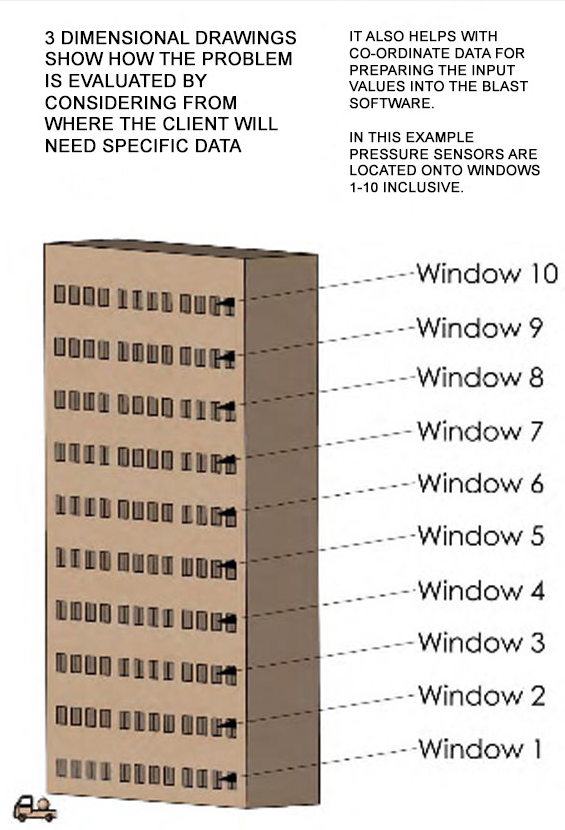
Just as in many other areas of industry, we become more and more reliant on the use of computers. Of particular value in the fields of blast mitigation is the use of modern software which can predict and illustrate the movement and flow of blast waves in and around buildings. Used also by Government agencies it has become an essential tool in today’s armoury of analysis and training tools. Training people to understand blast waves better prepares them in choosing products, services and systems within their organisations.
Training in the use and identification of materials for ballistic and physical security applications again prepares people to make better judgements when carrying out risk assessments and strategic planning. Combined with other security elements such as alarms and CCTV they all contribute to producing a ‘multi layered’ approach to security.
Blast and Ballistics Ltd. use only tried and tested products and materials. If they are not tested then we test them ourselves within our network of independent and fully accredited test houses both within the U K and also overseas. We also offer this service to our customers, not only in testing their products but also in the development of their designs particularly for specialist applications.
We offer practical and theoretical training in blast, ballistics and physical security.
In The Classroom
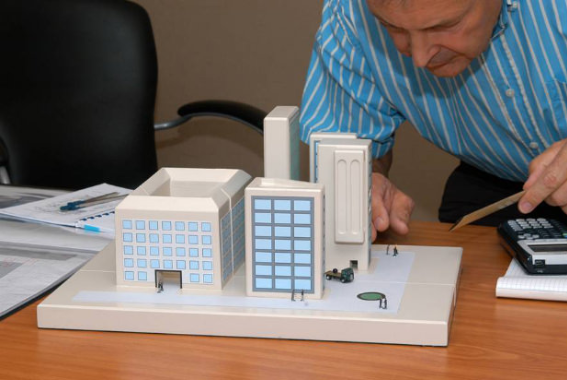
Using PowerPoint presentations, videos and blast software, we are able to train security surveyors to carry out risk assessments and to formulate their own designs and evaluations to implement appropriate security measures across their buildings.
Students learn to understand the behaviour of blast waves and create their own working examples.
Full Service
Testing
- Reports
- Images
- European Standards
- American Standards
- Accredited Testing
Blast Testing
- Vehicle delivered charges
- Hand delivered charges
- IED's
- Fragmentation
- Reports
- Images
- Slow motion video
- Accredited testing
Blast Testing
- Up to 7.62 AP
- Reports
- Images
- European Standards
- American Standards
- Accredited testing
Frequently Asked Questions
What kind of training does Blast & Ballistics provide?
We provide practical and theoretical training in blast, ballistics and physical security. Courses cover current threats to people and property, how to analyse and evaluate risk, and how to specify the right security products and measures as part of a multi-layered security strategy
Who are the training courses aimed at?
Our training is designed for security consultants, surveyors, designers and end users, including those needing CPD (Continuing Professional Development). Using real examples from blast and ballistic projects, we help delegates understand how to carry out risk assessments and design effective protection across their buildings and estates.
What does the classroom training involve?
“In the classroom” we use PowerPoint presentations, videos and specialist blast software to explain how blast waves move in and around buildings and how different materials behave under attack. Delegates learn to interpret blast modelling outputs, understand ballistic and physical threats, and create their own working examples and design solutions.
What testing services do you offer?
We offer a full independent testing service covering blast, ballistics and physical security. This includes:
- Ballistic and blast testing on vehicles, buildings and structures
- Blast testing for vehicle-delivered charges, hand-delivered charges, IEDs and fragmentation
- Ballistic testing up to 7.62 AP, with reports, images and slow-motion video
- Testing to both European and American standards, with accredited test houses in the UK and overseas
These programmes support both our own product development and customer product testing for specialist applications.
Where is the ballistic and blast testing carried out?
Within the UK we can carry out accredited ballistic and blast testing on vehicles and structures using a wide range of munitions. Blast & Ballistics also works with a network of independent, fully accredited test houses in the UK and overseas, ensuring that all tests are conducted to recognised European and American standards